
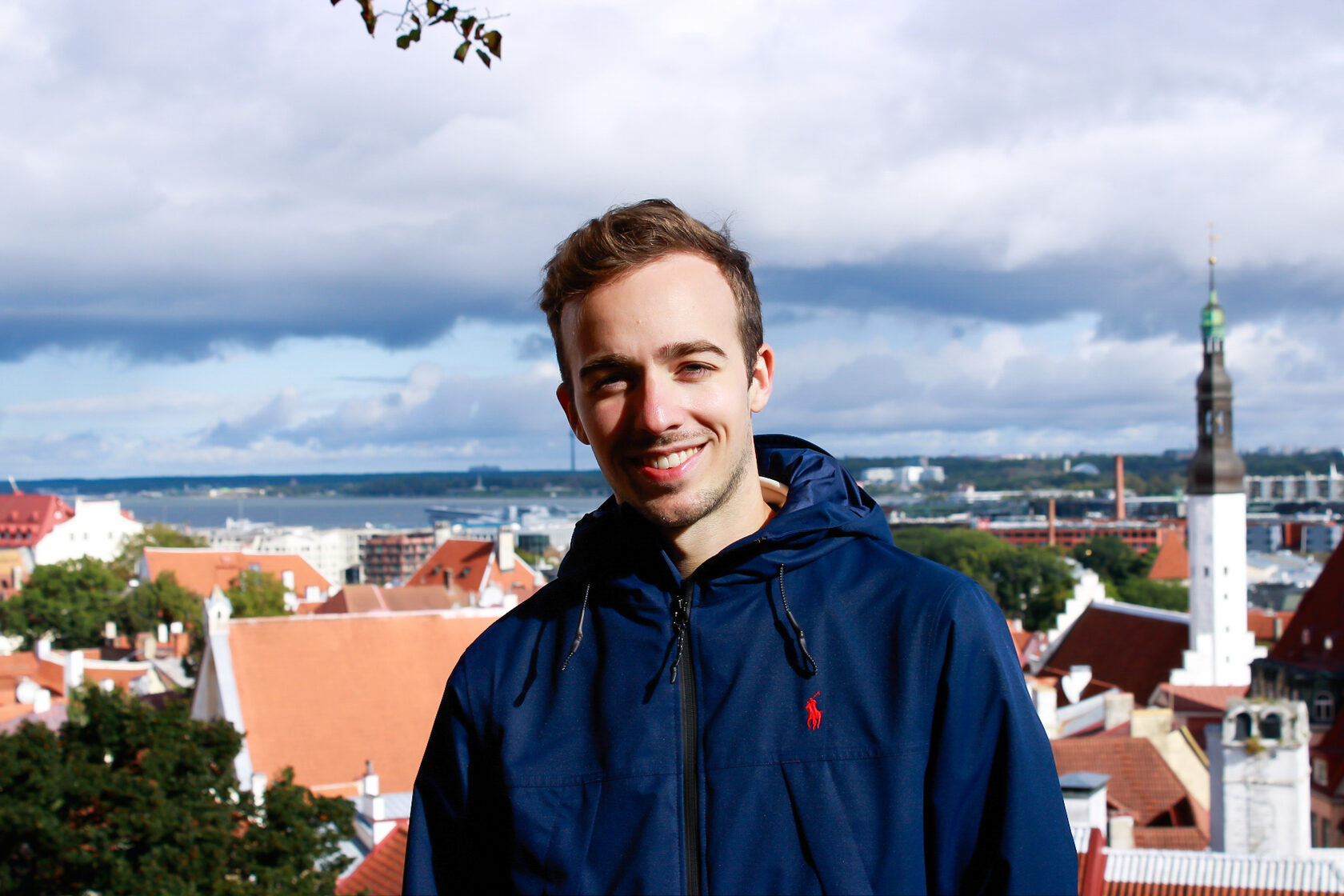
Photographer: Danila Sviridov
How do you adapt to short winter days and maintain a balance between work and rest? Can new eating habits help you feel at home in another country? And is it possible to become a little bit Estonian without losing yourself in the process? These and other questions will be answered by the new guest of the Mosaic project — Tom.
Tom was born in the small Belgian town of Genk, located in the Flemish part of the country, where he spent most of his childhood. Later, he moved to the Netherlands, where he studied Hospitality Management for five years and completed internships abroad. After that, Tom decided to start a new chapter of his life in Estonia. He now works as a team lead at the restaurant ISSEI, located in the Radisson Collection hotel building.
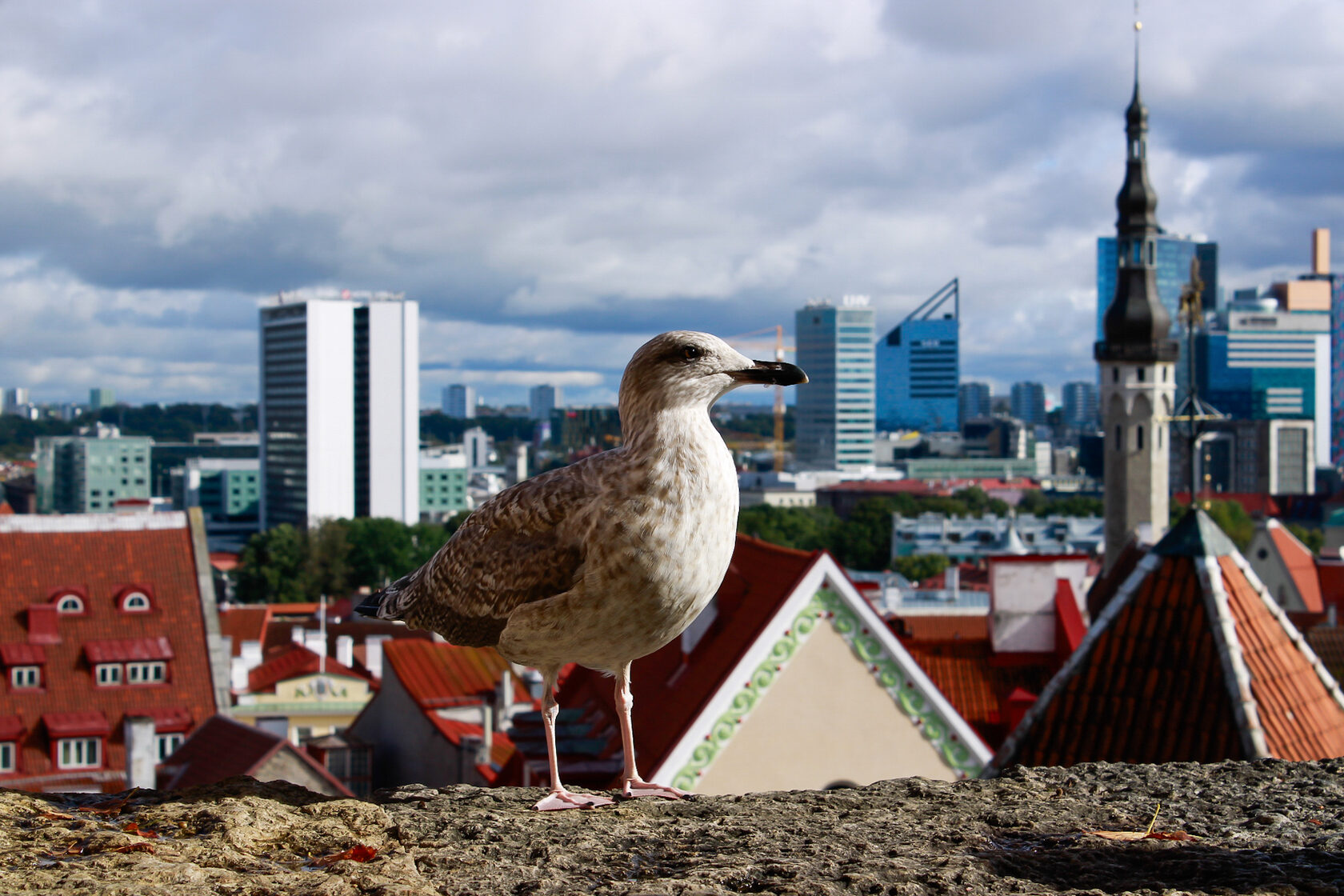
We met at the café Must Puudel, not far from the Town Hall Square. Over a cup of coffee, I asked Tom to take me around his favorite spots in the Old Town. We visited the Kohtuotsa and Patkuli viewing platforms and then headed to Toompark, where, after finding a quiet spot overlooking the Shnelli pond, we began our interview. I wanted to know how Tom first learned about Estonia and what attracted him to this country, how his friends and family reacted to his decision to move, and what challenges he faced at the very beginning.
I ended up doing a master’s degree that was closely related to management and small companies — basically startups, which Estonia is very famous for. I chose to study at the Estonian Business School, where the business program had a small group of about 20–25 students. If I had done a similar degree in Belgium, I would have been in a much larger group, with 60 to 100 people. So I decided to take a different approach: to come to Estonia and study in a more personal environment, with a lot more group work, business cases, and real-life experiences, rather than just learning from a professor speaking in a lecture hall.
You live in a city, but if you drive for 20 minutes — or even less — you’re already surrounded by nature, completely in the forest.
In Belgium, you can have a somewhat similar experience, but I would say it’s much harder, because everything there is more developed for tourism. In Estonia, however, you have this raw, untouched nature.
Still, they were supportive — and they continue to be supportive to this day. For them, though, it’s a bit harder. The Netherlands and Belgium are still relatively close to each other, but when you talk about Tallinn and Belgium, the distance becomes quite significant. What used to be just a two- or three-hour drive to see each other is now a two-and-a-half or three-hour flight. It’s not as convenient as just driving over for the weekend.
But Estonians, by nature, can be quite hard to approach at first, it’s not easy to break that initial barrier with them.
But when you meet strangers — like in a new company or just out on the street — it’s very different. In Belgium, it’s normal to start talking to someone in a store. If you try to do the same in Estonia, people will look at you like you’re crazy. So that’s definitely a big difference. And I’ve gotten so used to it that now, when I go back to Belgium and people start talking to me in a store, I’m the one thinking,
“Why are you talking to me?”
everyone has kind of a «thick skin» and just laughs it off.
Otherwise, family-wise, it’s harder to keep that connection, because the only person in my family who still lives in Belgium is my grandmother — and I visit her at least once a year. That’s definitely one of the main connection points I still have with Belgium. But when it comes to small rituals or traditions, not really. I try to stay connected to my culture, because I’m a food person.
I think that’s something most expats experience as well.
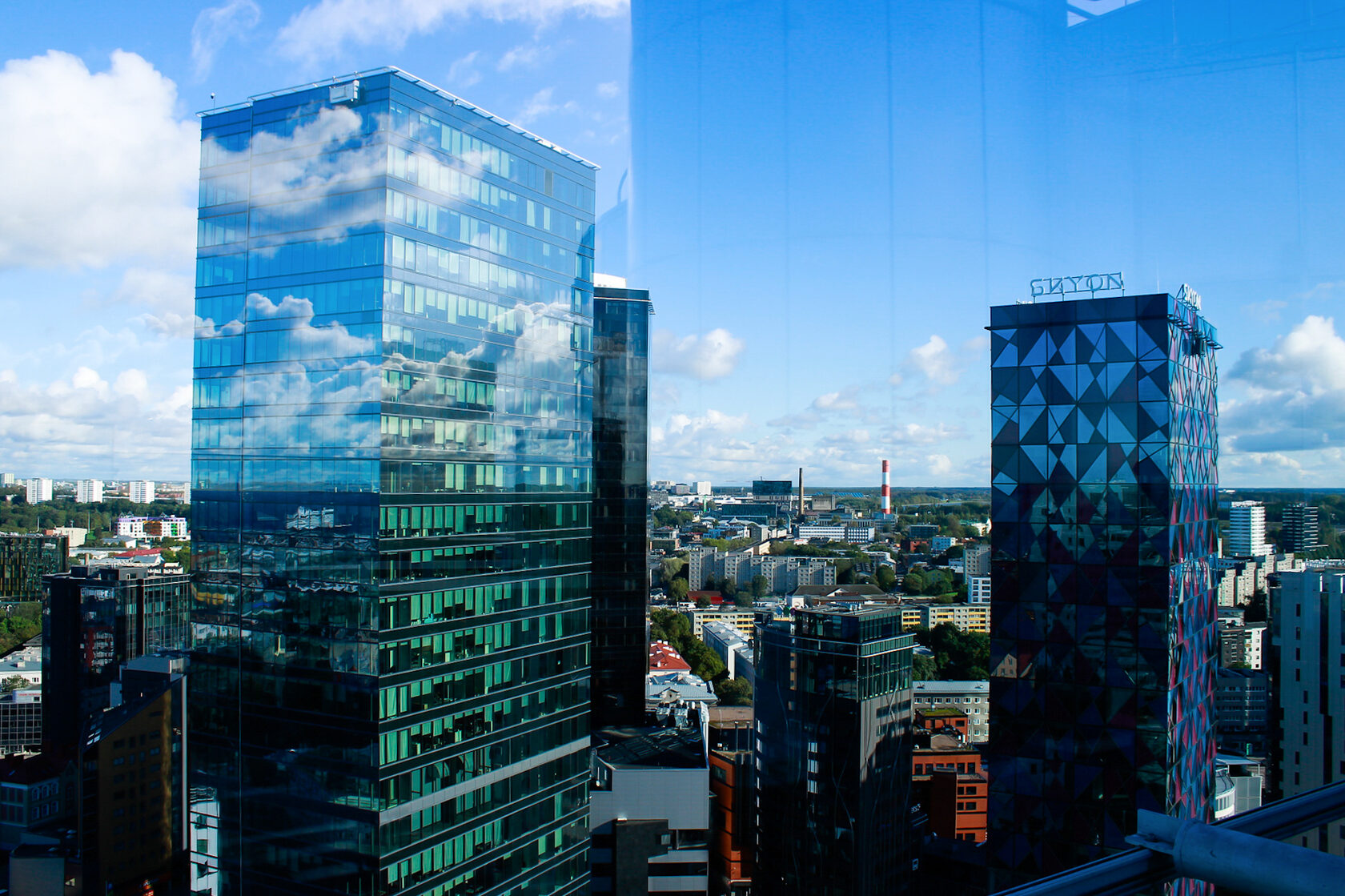
During our walk, Tom pointed to one of the high-rise buildings and said that his workplace is there, adding that he enjoys looking at Tallinn from above. I mentioned that I had never been up in any of them. Hearing that, Tom suggested we visit the restaurant where he works so that I could see the city from there. Of course, I couldn’t refuse such an offer.
We slowly made our way toward the Radisson Collection hotel. As we walked, I asked Tom whether his sense of identity had changed after several years of living abroad, whether there is a difference in how cultural diversity is perceived in Estonia and Belgium, and what, in his opinion, Belgians could learn from Estonians.
if you become an expat or choose to live in another country, you always change your own identity in some way.
There are things I would have never picked up in a grocery store or ordered in a restaurant before, and now suddenly they’ve become a regular part of my diet.
At the same time, your way of thinking becomes much broader. You start to see things in a bigger picture. When you live in one country, like Belgium, your thought process is more focused, because you assume everyone around you has the same cultural background and experience. But in Estonia, I automatically think in a wider context and take more perspectives into account.
Today, Estonia has really put itself more on the map for internationals and people coming from abroad.
when you work in Estonia without speaking Estonian, some people — particularly from the older generation — still expect you to speak the language, no matter how long you’ve been here.
In Belgium, it’s a bit different when it comes to languages, because we have three official ones. People in Belgium do speak multiple languages and are generally accepting of foreigners — mostly because diversity has been part of society for many generations already. There are fifth or even sixth generations of people who originally came from other countries but now hold Belgian nationality. In Estonia, I feel this is still quite new — most international residents are first or maybe second generation.
I think Estonians have a really good “poker face”.
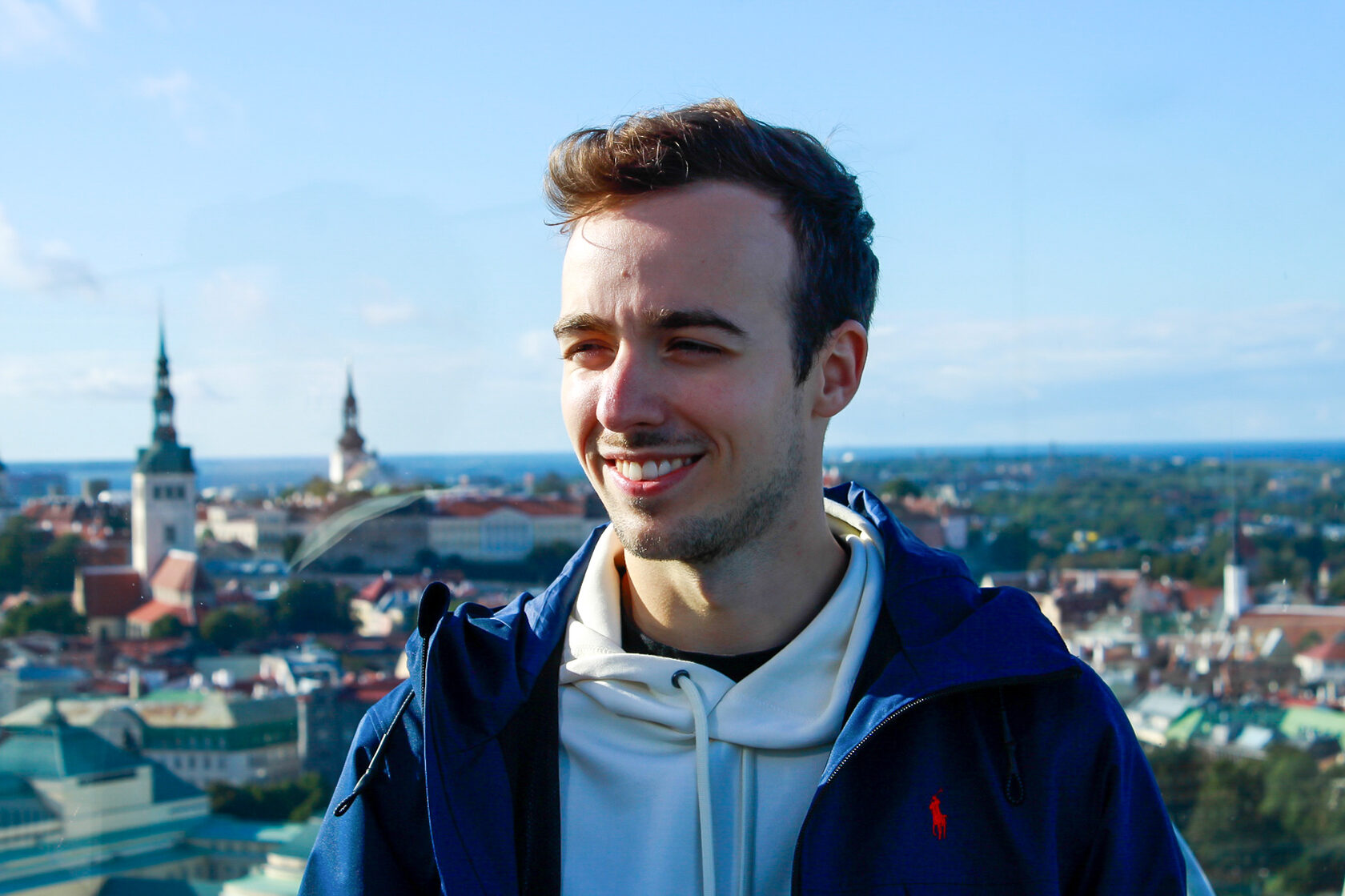
“I’m meeting people randomly on the street again”.
that’s a whole different level of cold.
it’s not like moving to New York City.
if you want a better work-life balance, with more time for family and friends, this is definitely a great place to be.
This material is part of the PERSPECTIVES 2 project – a new label for independent, constructive, and multiperspective journalism. The project is funded by the European Union. The opinions and positions expressed are those of the author(s) and do not necessarily reflect the views or positions of the European Union or the European Education and Culture Executive Agency (EACEA). The European Union and EACEA assume no responsibility for them. Learn more about PERSPECTIVES.
